
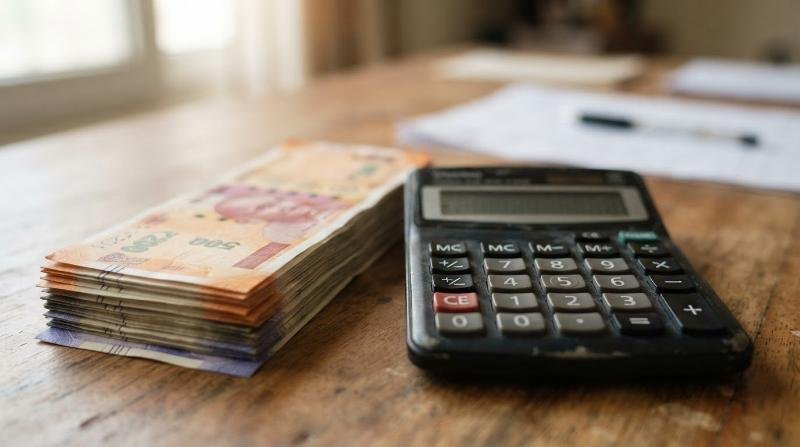
A stronger rupee has lifted the currency about 5 per cent from its lowest close on record, and anything priced in dollars now costs fewer rupees. The rupee settled at 92.44 per US dollar on Thursday (provisional), against a record low close of 96.88 on 8 October, PTI reported. The catch is that a stronger rupee helps some families and hurts others, and the gain can reverse quickly.
Analysis. The worked examples below are our own calculations. They hold the dollar price fixed and change only the exchange rate, so they show the effect of the rupee alone, not what a shop or university will actually charge.
How far has the rupee come?
- 8 October: 96.88 per dollar, the lowest close on record, a day after the RBI raised the repo rate to 5.50 per cent.
- 23 November: 92.92, after a five-day rally ended.
- 25 November: 92.20, the strongest close of this financial year, wiping out the year’s losses so far.
- 26 November: 92.44 (provisional), 24 paise weaker as crude oil hovered near $95 a barrel and fears of new US tariffs returned.
Who gains from a stronger rupee?
Anyone paying in dollars. Each dollar now costs about ₹4.44 less than at the October low, a fall of 4.6 per cent in the rupee price.
Same dollar bill, fewer rupees
Rupees needed for the same dollar amount. Both bars use one scale.
8 October (96.88 per dollar)26 November (92.44 per dollar)
For a student whose university fee is $30,000 a year, the rupee bill falls from ₹29.06 lakh to ₹27.73 lakh, or ₹1.33 lakh less. India also imports most of the crude oil it uses and pays in dollars, so at the same $95 a barrel, one barrel costs ₹422 less (₹8,782 against ₹9,204).
Do not expect shelf prices to fall by 5 per cent. Shops and importers buy stock weeks ahead, so imported goods reprice slowly, if at all.
Who loses?
Families who receive money from abroad. A $1,000 transfer from a relative working overseas now arrives as ₹92,440, not ₹96,880, which is ₹4,440 less. Exporters and software firms also earn in dollars, so an exporter invoicing $100,000 gets ₹4.44 lakh less than at October’s rate. For exporters already facing a proposed US tariff, as we explain in our piece on which exports would be hit hardest, a stronger rupee adds to the squeeze.
Will it last?
PTI attributes the recovery to foreign money coming into Indian shares and to lower crude. Foreign investors bought about ₹5,673 crore of Indian shares on Monday, exchange data show. Both drivers can reverse: Thursday’s dip came as crude edged up and the US proposed a 25 per cent tariff on Indian goods if there is no trade deal. The RBI’s next policy decision is due between 2 and 4 December; the repo rate is 5.50 per cent and the stance is “calibrated tightening”. We do not forecast the rupee. We would watch crude, foreign investor flows and the tariff decision.
What you can do now
- If you are about to pay a foreign fee or book a trip, check the rate your bank or card will actually use, plus its charges. These differ from the headline rate.
- If you receive money from abroad, compare the rupees that land in your account, not only the transfer fee.
- If you plan to buy imported goods, do not wait for a 5 per cent price cut.
This is general information and analysis, not financial advice. It names no bank, card or product and does not suggest buying or selling any currency. Rates change daily. Figures checked on 26 November 2026.
Also read: Which Indian exports would the US tariff hit hardest? · RBI may raise interest rates on 4 December: will your EMI go up?
Sources
PTI via Telangana Today, 26 November 2026 (rupee settles at 92.44; record low close of 96.88 on 8 October); PTI via The Sen Times, 26 November 2026 (92.20 on 25 November, strongest this fiscal year); PTI via Deccan Herald, 25 November 2026 (foreign investor purchases); RBI, minutes of the Monetary Policy Committee meeting of 5 to 7 October 2026 (repo rate 5.50 per cent). Rupee-price examples: our calculation.
Read next



Discover more from Khabar Mitra
Subscribe to get the latest posts sent to your email.